For a long time, the specialty coffee industry believed quality alone would guarantee success.
The industry became obsessed with extraction percentages, single-origin sourcing, water chemistry, roast profiles, brewing methods, and expensive equipment. Cafés invested heavily in machines, grinders, design-led packaging, and highly trained baristas. Menus became more technical. Coffee became more sophisticated.
And to a certain extent, that worked.
Consumers became more educated, more curious, and more willing to pay premium prices for better coffee. The rise of specialty coffee created an entirely new market built around quality and craftsmanship.
But over the past few years, something has shifted.
Today, good coffee is everywhere.
Customers can find excellent flat whites, pour-overs, and cold brews in almost every major city. What was once rare has become accessible. The gap between “average coffee” and “great coffee” has narrowed dramatically.
That means cafés can no longer rely on coffee quality alone to stand out.
In many cases, consumers now assume the coffee will already be good. Their decision to return often depends on something far less measurable: how the café made them feel.
- Did the staff acknowledge them warmly?
- Did the space feel comfortable and welcoming?
- Was the environment calm or stressful?
- Did the service feel thoughtful or transactional?
- Did they want to stay longer — or leave quickly?
These emotional factors are becoming more important than many café owners realise.
A customer may forget the tasting notes of an espresso, but they will remember how they were treated.
This is where hospitality becomes critical.
The most successful cafés today are not thinking like beverage businesses. They are thinking like hospitality brands.
That is a very different mindset.
Hospitality is not simply “good service.” It is the intentional creation of a feeling. It is the ability to make people feel comfortable, seen, relaxed, energised, inspired, or connected.
Hotels have understood this for decades. Luxury hospitality brands know customers rarely return only because of the room itself. They return because of consistency, atmosphere, emotional connection, and how the experience made them feel.
Cafés are now entering the same reality.
Consumers increasingly choose places based on emotional experience, identity, and lifestyle alignment — not just product quality.
This is especially true with younger consumers.
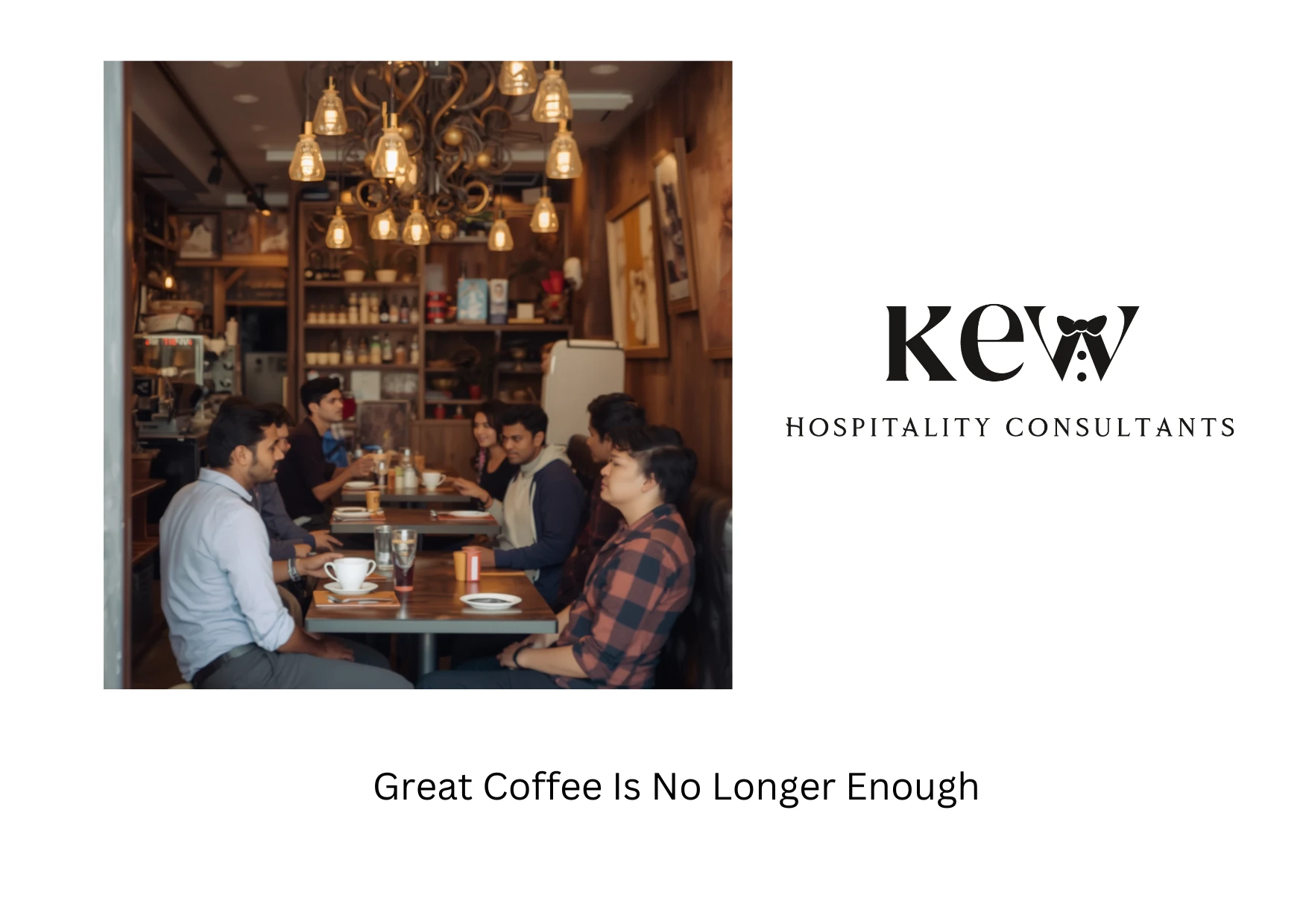
Many people now use cafés as workspaces, meeting places, social hubs, creative environments, or moments of escape during busy days. Coffee may be the reason they walk in initially, but experience is often the reason they stay and return.
That means every detail matters more than ever.
Lighting affects mood.
Music affects energy.
Seating affects comfort and length of stay.
Queue management affects stress levels.
Staff attitude affects emotional connection.
Cleanliness affects trust.
Even the way drinks are presented affects perceived quality.
The problem is that many café operators still focus almost entirely on the product.
They spend thousands upgrading equipment while ignoring staff culture. They obsess over sourcing while overlooking customer flow. They invest in aesthetics for Instagram but fail to create warmth inside the actual experience.
And customers notice.
One of the biggest misconceptions in specialty coffee is believing customers are loyal to coffee quality alone.
Most customers are loyal to familiarity, consistency, convenience, and emotional comfort.
A café with slightly less impressive coffee but exceptional hospitality will often outperform a technically superior café with cold or unfriendly service.
That can be difficult for some operators to accept.
But hospitality has always been emotional before technical.
This does not mean coffee quality no longer matters. It absolutely does. Poor coffee will still damage credibility. Quality remains essential.
However, quality is now the baseline expectation — not the full business strategy.
The cafés growing sustainably today are those combining strong coffee with strong hospitality.
They create spaces people genuinely want to return to.
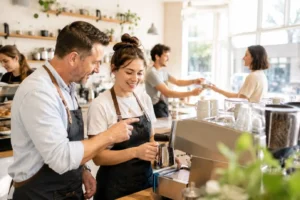
They train staff not only on brewing techniques, but also on communication, energy, awareness, and customer care. They think carefully about atmosphere, flow, and experience design. They understand they are not simply serving beverages; they are shaping moments in people’s days.
That is a completely different business philosophy.
And it explains why some cafés with incredible coffee still struggle, while others with simpler menus build loyal communities and thriving brands.
The future of coffee belongs to operators who understand both product and people.
Because in a market where great coffee is becoming normal, experience becomes the true differentiator.
The cafés that recognise this early will build stronger brands, deeper loyalty, and longer-term success.
The ones that do not may continue making excellent coffee — for fewer and fewer customers.
So the real question cafés should now ask is not:
“How good is our coffee?”
But rather:
“How does our café make people feel?”or the experience?